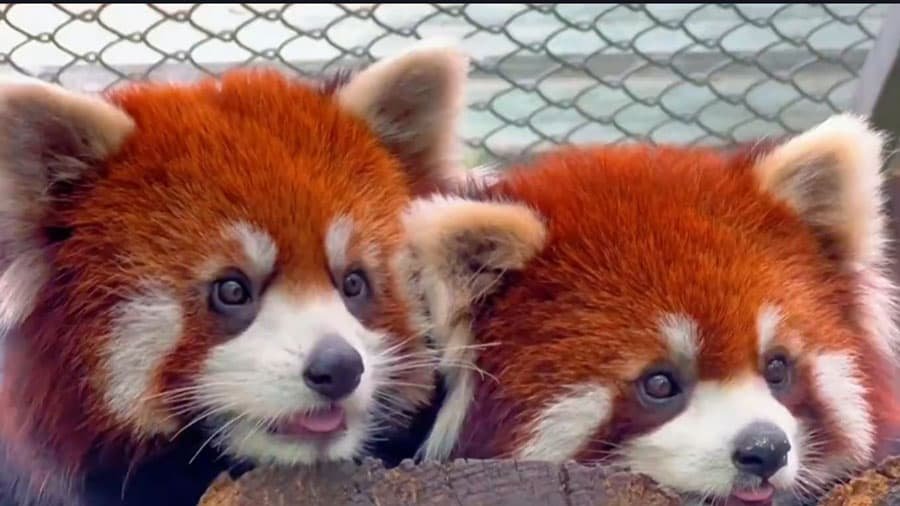
Red Pandas: Chengdu’s Ultra-Soothing, Rare, and Adorable Pets
Many foreign tourists visit Chengdu specifically to see the giant pandas. But the vast majority of them don’t realize that Chengdu is also home to an even rarer, more agile, and more heartwarming star: the red panda.
The red panda is not a miniature version of the giant panda. It is a completely distinct and rare species. Compared to the gentle and quiet giant panda, the red panda is agile, lively, and much more engaging to interact with. Many seasoned animal lovers even believe that only after seeing Chengdu’s red pandas can one truly appreciate the spirit of Sichuan’s wild mountains and forests.
This article offers a comprehensive introduction to red pandas. We’ll clearly outline the differences between red pandas and giant pandas, reveal the true habits of red pandas, and explain why Chengdu is home to the world’s highest-quality and most visually captivating red panda population.
If you’re looking for a one-of-a-kind wildlife travel experience in Chengdu—one that lets you avoid the crowds and capture heartwarming moments—this educational and sightseeing guide is perfect for you. To customize your own red panda viewing itinerary, contact Panda Chengdu Tours, a professional inbound tourism service provider, and unlock an authentic, hassle-free journey to meet Chengdu’s adorable creatures.
I. Basic Facts About the Red Panda
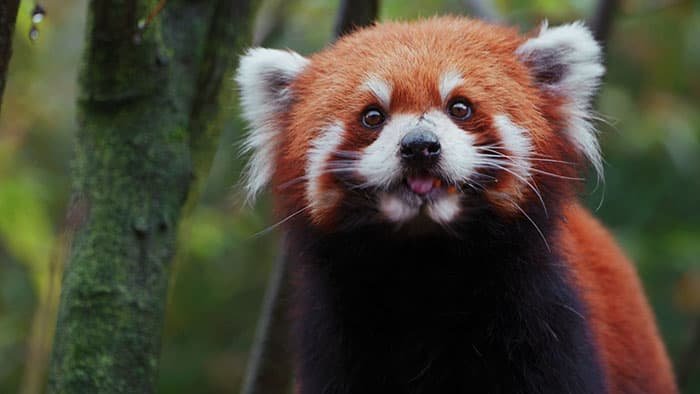
The red panda is a rare wild animal native to the Himalayas and southwestern China. It belongs to the family Ailuridae and has a distinct evolutionary lineage; it is not closely related to the giant panda. Adult red pandas typically measure 40 to 63 centimeters in body length, with a tail nearly as long as their body. They usually weigh only 3 to 6 kilograms, have a light and compact build, and are highly recognizable.
Red pandas have soft reddish-brown fur, white facial markings, and a long, ringed tail, giving them a vibrant and endearing appearance. In the wild, red pandas have a natural lifespan of about 10 to 15 years. Those under scientific care in captivity can live up to 15 to 20 years.
Currently, there are fewer than 10,000 wild red pandas worldwide, and they are listed as an endangered species by the International Union for Conservation of Nature (IUCN). In terms of population size, red pandas are far rarer than the giant pandas we are familiar with.
II. The Real-Life Habits of Red Pandas
Dietary Habits
Many people believe that red pandas, like giant pandas, eat only bamboo. In fact, while bamboo is the staple food for both, their dietary preferences are completely different. Red pandas prefer tender bamboo shoots and leaves and have very little appetite for bamboo stems. Their digestive systems are more selective than those of giant pandas.
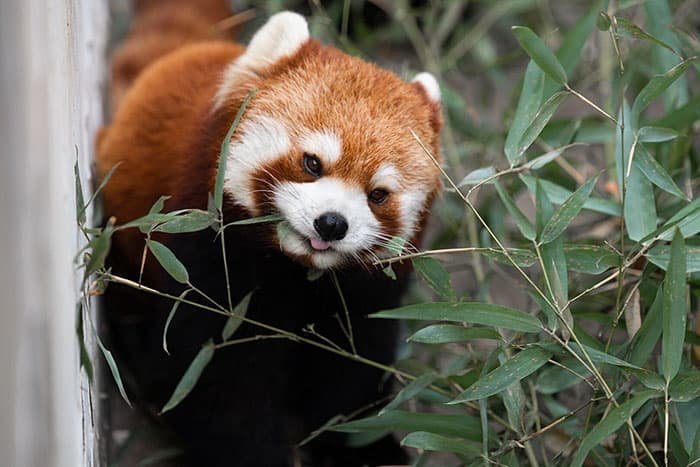
Red pandas are omnivores. In addition to bamboo, they also eat fruits, flowers, mushrooms, insects, and bird eggs. Red pandas in captivity have a more varied and balanced diet and are more active.
Activity Patterns
It is commonly believed that animals are active during the day and rest at night. However, red pandas are crepuscular animals. They are most active in the early morning and late afternoon, and rest almost entirely during the hottest part of the day at noon. This is the real reason why many visitors who come to see red pandas at noon often find them asleep—except on cloudy or cool days. On cloudy days when the temperature is below 25°C, red pandas remain active throughout the day, making for an excellent viewing experience.
Personality and Behavioral Characteristics
Red pandas are natural climbers. Their long tails help them maintain perfect balance, allowing them to move effortlessly through the treetops. They are timid, sensitive, and highly alert by nature, but when they are calm and relaxed, they are very friendly, lively, and adorable.
In the wild, red pandas are solitary animals, forming groups only during mating season and when raising their young. The red pandas in Chengdu’s captive breeding program have lived in a safe and comfortable environment for a long time and get along very harmoniously in groups.
III. Red Pandas vs. Giant Pandas: Key Differences
Many foreign tourists visiting Chengdu for the first time confuse red pandas with giant pandas. It is commonly assumed that red pandas are simply young giant pandas. In reality, red pandas and giant pandas are two completely distinct species with no evolutionary relationship. They differ in appearance, behavior, taxonomic classification, and level of endangerment.
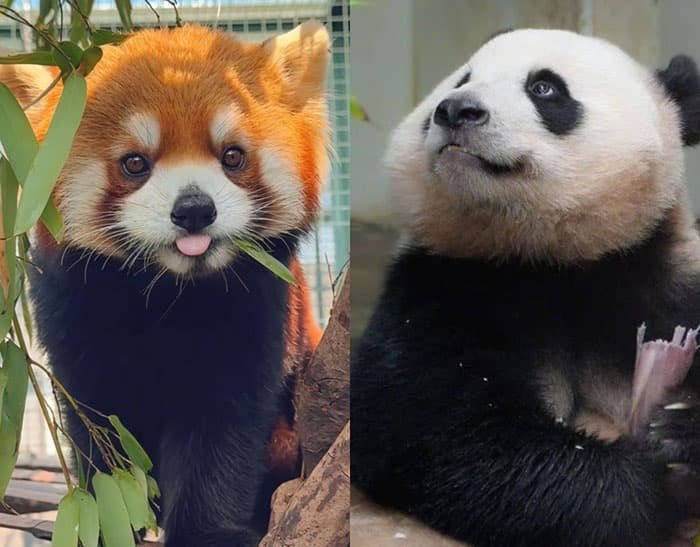
- Different taxonomic families: The red panda belongs to the family Ailuridae; the giant panda belongs to the family Ursidae.
- Different physical appearance and coloration: The red panda has reddish-brown fur and a long, rounded tail; the giant panda has black-and-white fur and a short, stocky tail.
- Huge difference in body size: The red panda is light and petite; the giant panda is massive, with a significantly greater body weight.
- Different activity levels: Red pandas are agile and active, constantly on the move; giant pandas move slowly and spend most of their time sitting still while eating.
- Different levels of rarity: Wild red pandas are fewer in number and have a higher conservation status, making them even more precious than giant pandas.
- Different viewing experiences: Red pandas are more visually engaging and lively, so visitors are more likely to capture photos than with the more static giant pandas.
IV. Why Are Chengdu’s Red Pandas the Best in the World?
Many visitors assume that the red panda viewing experience is much the same at zoos around the world. In reality, this is not the case; most red pandas in overseas zoos come from non-native breeding populations, with limited living space and relatively low activity levels. Chengdu’s red pandas possess seven unique advantages that are irreplaceable.
Pure, Native Population
Sichuan is the red panda’s core native habitat. All red pandas at the Chengdu Conservation Center belong to the pure, native Sichuan-Shaanxi population, featuring a complete genetic lineage and the most standard species characteristics.
Vast, Natural Habitat
Red pandas in typical urban zoos lack natural climbing environments and tend to be less active. The Chengdu facility simulates their native mountain forests with dense trees and an extensive network of trails, allowing the red pandas to freely climb trees, roam, and play—a state of well-being that most closely resembles the wild.
Exceptionally High Activity Levels Year-Round
Chengdu’s climate is mild and temperate year-round, making it ideal for red pandas. The red pandas here maintain a stable condition throughout the year and do not enter prolonged periods of lethargy or hibernation.
Large Population and High Sighting Rate
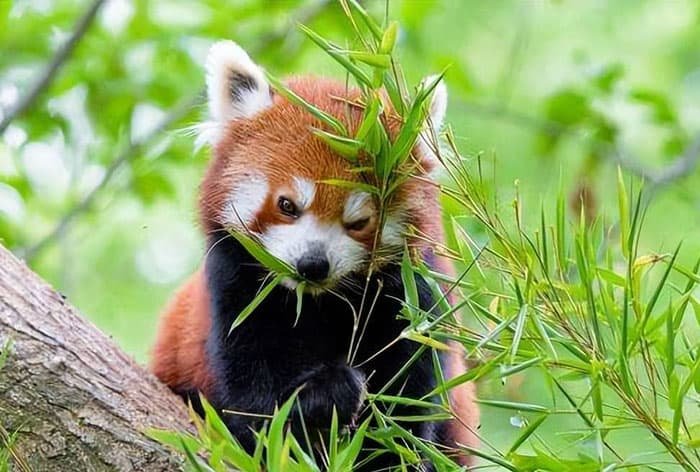
Chengdu is home to the world’s largest captive red panda population. Visitors have an extremely high chance of seeing multiple red pandas interacting together in the same frame, offering a viewing experience far superior to the scattered, single-animal displays found overseas. There are red pandas at the Chengdu Panda Base, so you can see them while you’re there to watch the giant pandas.
A Mature Professional Conservation System
Chengdu has decades of experience in red panda breeding, conservation, and scientific research. Its conservation standards are among the world’s best, and the red pandas here are healthy, have shiny coats, and are lively.
Visitor-Friendly Viewing Distances and Clear Views
Chengdu’s red panda viewing areas are scientifically designed with unobstructed views and no distant barriers, allowing visitors to clearly observe every adorable movement of the red pandas and take excellent photos.
Exclusive and Rare Educational Resources
In Chengdu, you can not only see red pandas but also learn about professional species conservation. This is a rare experience that zoos overseas simply cannot offer.
Conclusion: If you want to see red pandas in their best condition, in the largest numbers, and behaving in the most lively and natural way, Chengdu is the number one choice worldwide—there’s simply no better option.
V. Fun and Little-Known Facts About Red Pandas
- The red panda was named “panda” before the giant panda, making it the true “first-generation” panda.
- The red panda’s long tail can wrap around tree branches, helping it maintain balance and stay warm in winter.
- Each red panda’s facial markings are unique, just like human fingerprints.
- Red pandas are born with a “smiling face”; their facial structure makes them look gentle and soothing at all times.
- When faced with danger, red pandas quickly climb trees to escape; their climbing speed far exceeds that of most small mammals.
VI. The Charm of Chengdu
Chengdu is universally recognized as the home of the panda and is also one of China’s most welcoming cities for international travelers. With its pleasant climate, clean environment, and friendly locals, the city offers a relaxing and rejuvenating travel experience. In addition to the rare and adorable red pandas and giant pandas, Chengdu boasts authentic, flavorful cuisine, historic streets steeped in millennia of tradition, and a laid-back teahouse culture.

A leisurely pace, gentle scenery, and rich culture are Chengdu’s most distinctive travel hallmarks. Visiting Chengdu is not just about seeing animals; it’s also about experiencing the city’s gentleness and romance.
VII. Practical Tips for Foreign Tourists Viewing Red Pandas
- The best viewing times are from 8:00 to 10:00 a.m. and 4:00 to 6:00 p.m., when red pandas are most active.
- During the midday heat, red pandas typically rest in the treetops, so the viewing experience is generally poor; try to visit during off-peak hours.
- Remain quiet while viewing; do not tap on the glass or make loud noises to avoid disturbing the sensitive red pandas.
- Feeding is prohibited, as is the use of flash photography; please follow the park’s conservation rules.
- If this is your first time visiting a red panda viewing spot in Chengdu and you’re unfamiliar with the route or the best vantage points, feel free to contact Panda Chengdu Tours in advance.

Panda Chengdu Tours specializes in inbound tourism services throughout Chengdu and Sichuan. We are familiar with all dedicated panda and red panda viewing spots and can provide foreign visitors with customized all-English services, off-peak itineraries, and high-quality routes for viewing these adorable animals.
VIII. FAQ: Frequently Asked Questions
Q1: Is the red panda a baby giant panda?
A: No. The red panda and the giant panda are two completely different species with no familial relationship; they differ in size, behavior, and family.
Q2: Is the red panda rarer than the giant panda?
A: Yes. The global wild red panda population is less than 10,000. Wild populations are far smaller than those of giant pandas, and red pandas are classified as more critically endangered, making them even rarer.
Q3: Why are the red pandas in Chengdu the most beautiful and active?
A: Chengdu is part of the red panda’s native habitat. The population is purebred, care is professional, the living environment is natural, and the climate is highly suitable, resulting in an overall viewing experience that leads the world.
Q4: Can red pandas interact closely with humans?
A: Reputable parks do not allow visitors to touch or hold red pandas. As sensitive wild animals, the best way to observe them is through professional guidance and quiet observation—which also helps protect the species.
Q5: When is the best time to see the red pandas in Chengdu?
A: They can be viewed year-round. Spring and fall feature cool weather, and red pandas are active throughout the day, making these the best seasons to visit; in summer, it’s best to visit in the early morning or late evening.
Q6: Are there differences between red pandas in overseas zoos and those in Chengdu?
A: There are significant differences. Overseas populations are mostly bred in captivity, with limited living space and low activity levels. Chengdu’s red pandas belong to a native population; they behave naturally, are lively and playful, and offer a more engaging viewing experience.
Q7: What’s the easiest way to plan a trip to see the red pandas in Chengdu?
A: You can contact Panda Chengdu Tours directly. Their professional inbound tourism team can customize a red panda viewing itinerary and a Chengdu travel plan based on the length of your stay and your travel preferences.
IX. Conclusion
The red panda is a hidden gem in Chengdu—an adorable creature often overlooked by countless tourists. Rarer, more agile, and more heartwarming than the giant panda, it possesses a unique appearance and personality. Contrary to common misconceptions, the red panda is not a baby giant panda; it is a magical species in its own right—independent, precious, and worthy of deeper exploration.
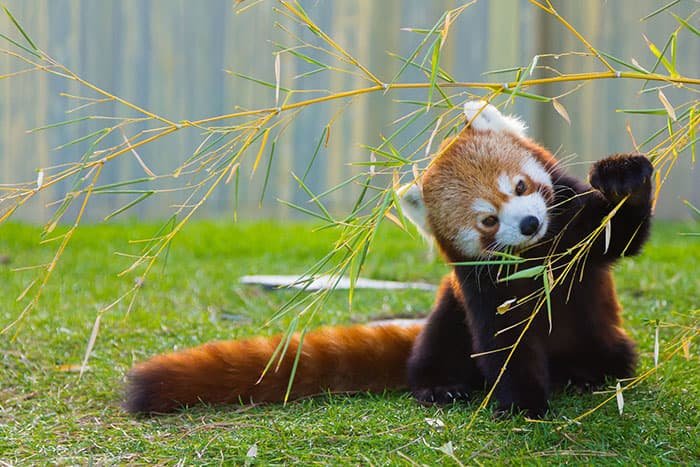
Chengdu is home to the world’s highest-quality, healthiest, and most visually captivating red panda population. No visitor to Chengdu should miss out on this gentle, heartwarming experience unique to Sichuan.
To plan the perfect red panda viewing trip in Chengdu or customize an authentic Sichuan travel experience, please contact Panda Chengdu Tours. Let our professional team create a personalized, heartwarming journey featuring these adorable creatures just for you.