
Why Is Chengdu Known as the World Capital of Giant Pandas?
Let’s start with a few facts—once you’ve read this, you’ll understand why Chengdu is the place to go to see pandas.
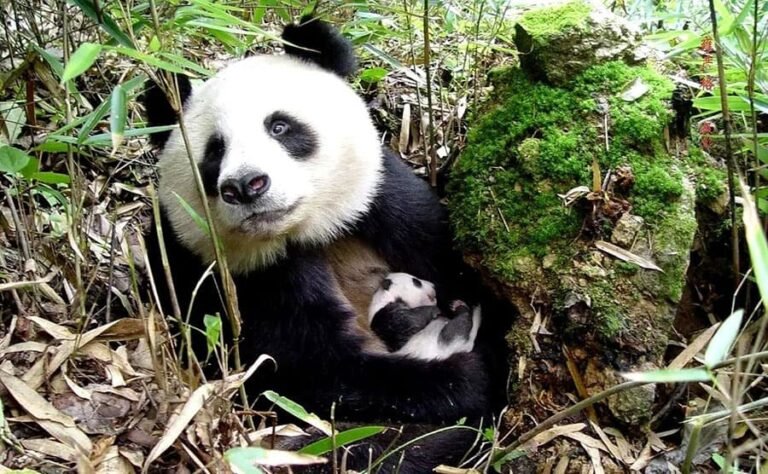
Chengdu is globally recognized as the “Capital of Giant Pandas” because it is home to the Chengdu Research Base of Giant Panda Breeding—the world’s largest and most successful center for the artificial breeding and conservation of giant pandas. The base is home to more than 260 giant pandas and is located just 10 kilometers (about 6 miles) from downtown Chengdu. But Chengdu’s uniqueness doesn’t end there. The city sits in the heart of Sichuan Province, where nearly 75% of the world’s wild giant pandas live in the mountains. This dual advantage—a “super-sized breeding center combined with a gateway to wild habitats”—makes Chengdu the only place on Earth where you can easily see pandas in captivity while also visiting wild giant pandas within a few hours’ drive.

Chengdu and the Giant Panda: A Bond That Runs Deep
Chengdu isn’t just a city “with pandas”; the cultural symbols of the entire city are inextricably linked to the giant panda. The giant panda is Chengdu’s “ultimate calling card”—a universal language of emotion that needs no translation. When international dignitaries and celebrities visit Chengdu, seeing the pandas is almost always the top item on their itinerary. In December 2025, the First Lady of France made a special visit to the Panda Base; the very next day, members of the Nixon family also came to see these black-and-white creatures. When world leaders come to Chengdu, pandas are always the friends they most want to see.
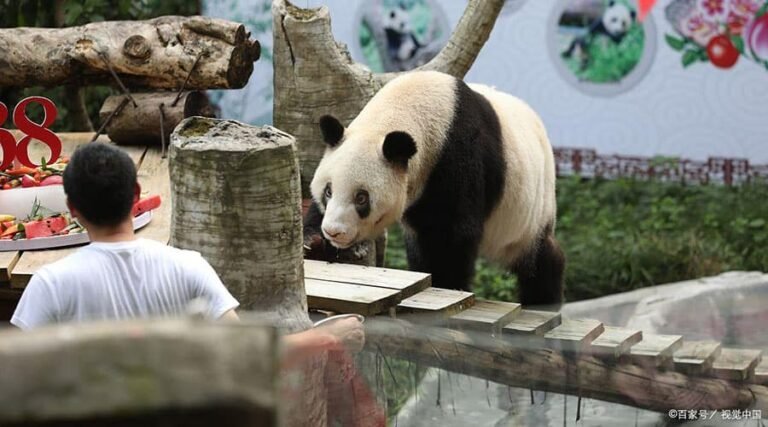
For ordinary travelers, the reason is even more straightforward: Chengdu offers the world’s most convenient, diverse, and educational panda experience. You can see pandas of all ages, from pink cubs just a few months old to elderly pandas who once lived abroad and have now returned home. You can watch them eat bamboo, take long naps, play and frolic, and climb trees to show off their cute antics. If that’s not enough, you can even pay to be a “panda caretaker” for a day and get deeply involved in conservation efforts.
Sichuan and the Giant Panda: Hard Data on Their Native Habitat
The story of pandas in Chengdu begins with the geography of Sichuan. Sichuan Province is the true native homeland of the giant panda. The cool, humid bamboo forests of Sichuan’s mountainous regions provide the ideal habitat for giant pandas.
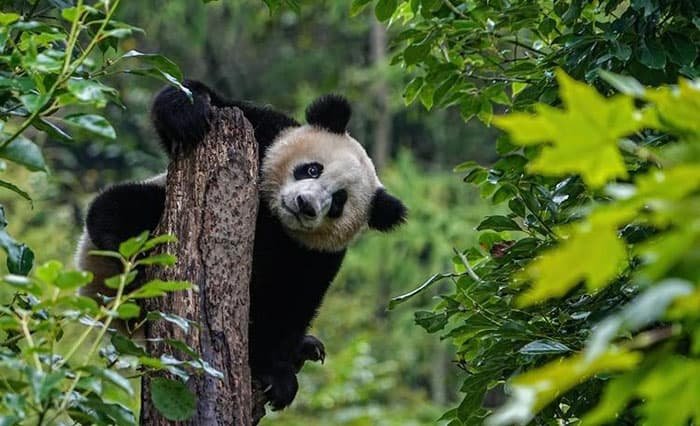
Here are a few key statistics at a glance:
|
Facts |
Specific figures |
|---|---|
|
Total Area of the Giant Panda National Park |
22,000 square kilometers |
|
Area of Sichuan Province within the park |
19,300 square kilometers (88%) |
|
Number of Wild Giant Pandas in Sichuan Province |
1,227 (92% of the total number in the park) |
|
Total Number of Wild Giant Pandas Nationwide |
Nearly 1,900 |
|
Giant Panda Habitats Restored in Recent Years |
More than 330,000 mu (approximately 220 square kilometers) |
|
Completed Ecological Corridors |
13 lines, used to connect isolated small populations |
What do these numbers mean to you? When you arrive in Chengdu, you’re standing at the gateway to the world’s largest panda habitat. This city is not only a “foster home” for pandas but also the “command center” for global panda conservation. Officially established in 2021, the Giant Panda National Park spans three provinces—Sichuan, Shaanxi, and Gansu—and protects nearly 1,400 wild giant pandas, with Sichuan serving as the absolute heart of this protected area.
The History of Giant Panda Conservation in Chengdu: The Miracle of Growing from 6 to 260
The giant panda conservation effort in Chengdu began with an emergency rescue.
In the 1980s, large swaths of bamboo in the mountainous regions of Sichuan went into flower and withered, causing many wild giant pandas to starve or fall ill. Rescue teams brought injured and sick pandas down from the mountains. By 1987, Chengdu had taken in six rescued pandas. That year, they officially established the Chengdu Research Base of Giant Panda Breeding on a hillside in the northern suburbs of Chengdu.
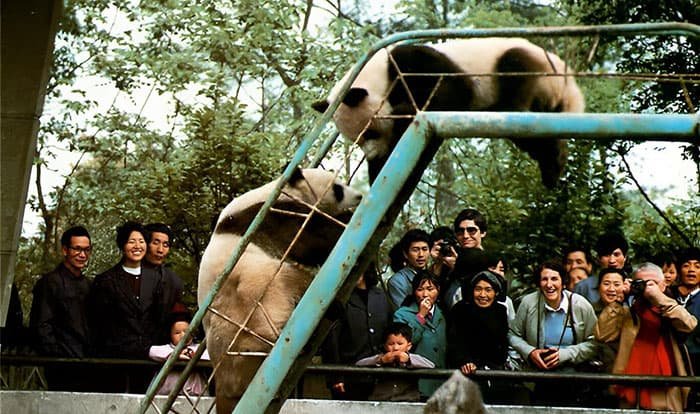
Starting with these six “pioneers,” the center has now grown into the world’s largest captive giant panda population—numbering more than 260 individuals. The center has overcome a series of global challenges, including artificial insemination, rearing twins, cub survival, and disease prevention and control. It has published more than 400 scientific papers and received eight national science and technology awards.
In 2023, the center joined forces with another major domestic giant panda research institution to establish the “National Research Center for Giant Panda Conservation,” with the goal of creating a “world-class giant panda research platform.” Today, the Chengdu Giant Panda Breeding Research Base is widely recognized by international peers as the world’s leading conservation institution—the strongest, most productive, and most successfully operated.
How Did Chengdu Become a Global Giant Panda Tourism Hub?
Chengdu didn’t start out with tourism in mind—it began as an effort to save pandas. But once the pandas were thriving, tourists naturally began to flock there.
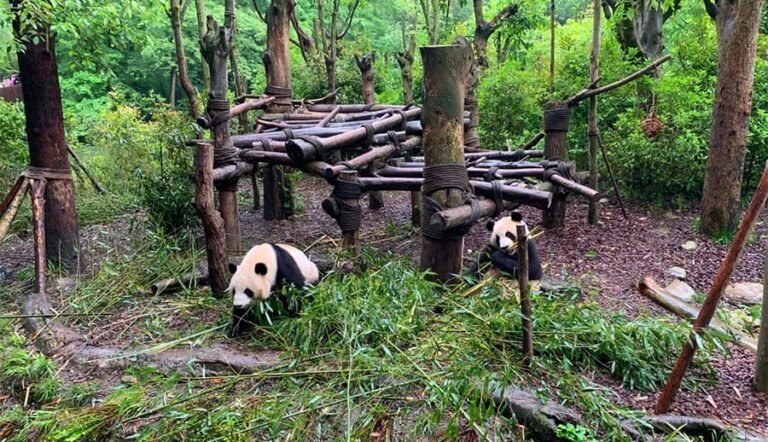
The Panda Base covers an area of 3.07 square kilometers (approximately 760 acres). The entire park simulates a wild bamboo forest environment and features panda villas, a birthing center, a museum, a theater, and even a Swan Lake. It is not a traditional zoo, but rather a research institution open to the public.
The turning point came in the 1990s. In 1993, Chengdu hosted the first “International Panda Festival,” and since then, September 22 has been designated as “International Panda Day.” This festival officially put the “Chengdu + Panda” combination on the global tourism map.
Today’s figures are truly astonishing:
- During the 2026 Spring Festival holiday, the Panda Base welcomed 480,000 visitors.
- During the 2025 May Day holiday, it welcomed 274,500 visitors, with ticket revenue exceeding 10 million RMB.
- The Base limits daily visitor numbers to 85,000, and tickets often sell out in advance.
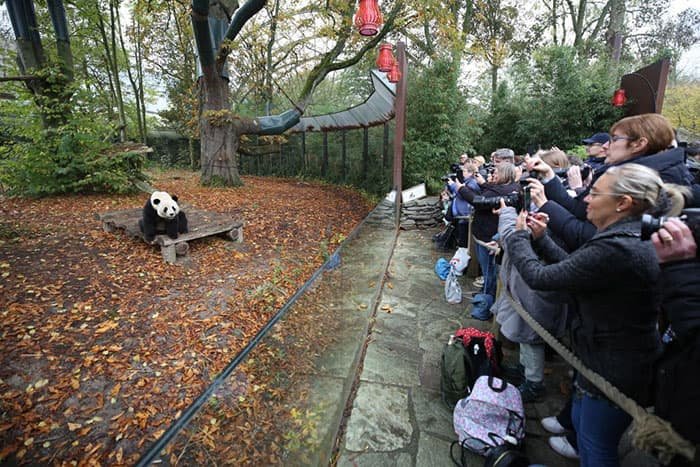
Chengdu has turned the giant panda into a “10-billion-level” tourism industry chain. Not only does it feature a panda-themed musical (which has been performed over 1,300 times), but Dujiangyan is also home to a 130-metric-ton giant “selfie panda” sculpture. There are panda-themed trains, panda-themed cultural and creative products, and the city has even hosted a panda culture exhibition in Paris. The entire city is telling stories centered around the panda.
Balancing Conservation and Tourism: Pandas First, Tourists Second
Many travelers worry: Will an increase in visitors harm the pandas?
The answer is: As long as it’s managed properly, tourism revenue can actually support conservation efforts.
The Panda Base is first and foremost a scientific research and conservation institution; tourism is only a secondary function. The base strictly limits visitor numbers; when it gets too hot, the pandas are moved indoors to air-conditioned rooms; and they even give Hua Hua—the “top star” panda—a day off every week so she can rest properly.
Here’s a simple truth: the money you spend on admission tickets and hands-on activities ultimately goes toward panda conservation. The center is a nonprofit organization, so every penny you spend supports scientific research, veterinary care, habitat restoration, and breeding programs. Without tourism revenue, conservation efforts would be much more difficult.
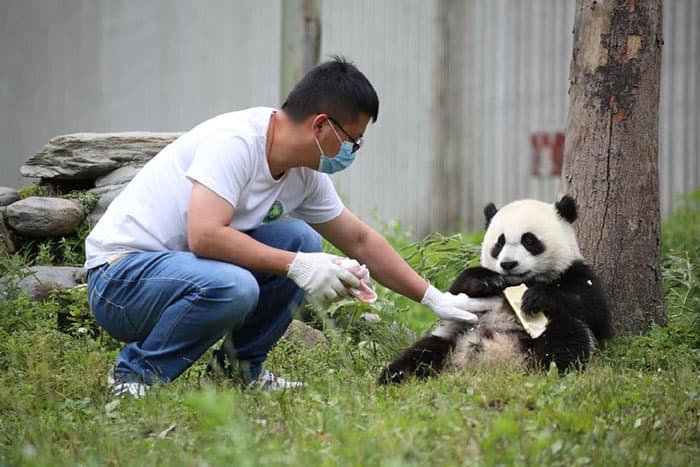
The volunteer program is the best example of this. When you pay to be a one-day caretaker, a portion of that fee is donated to the Panda Foundation. You gain unforgettable memories, and the pandas receive better care—it’s a win-win.
Why Do Tourists from Around the World Choose Chengdu?
There are panda reserves in other Chinese cities, and zoos all over the world have pandas. So why do tourists from all over the world choose Chengdu first?
- Reason 1: The Largest Population. The Chengdu Panda Base is home to more than 260 pandas—the largest in the world, with no rival.
- Reason 2: The Most Convenient. The reserve is just a 30-minute drive from downtown, and you can see everything in half a day—leaving plenty of time to enjoy hot pot and explore Chunxi Road.
- Reason 3: A Full Lifecycle. In the maternity ward, there are pink newborns; on the playgrounds, lively sub-adults; in the villa area, adult pandas munching on bamboo; and in the retirement area, “retired” elderly pandas. You can witness the entire life cycle of a panda in one visit.
- Reason 4: A Deep Immersive Experience. Want to clean the enclosures, cut bamboo, or make steamed buns? You can do all of this through volunteer programs—right on the outskirts of Chengdu.
- Reason 5: Chengdu Itself Is a Blast. The food is unbeatable, the culture is rich, and the pace of life is laid-back. The pandas are just the “opening act” for this city.
Attractions Visitors Can Actually Experience (Including an Exclusive Guide to Avoiding Pitfalls)
The following covers the standard highlights of a typical panda tour, but also includes “insider tips” that most travel guides won’t tell you.
Chengdu Research Base of Giant Panda Breeding (Must-Visit Spot)
- Location: Northeast suburbs of Chengdu, about 10 kilometers from the city center.
- Hours: 7:30 a.m. – 6:00 p.m. (March–October); 8:00 – 17:30 (November–February).
- Admission: 55 yuan for adults, 27 yuan for students.
- Ticket Purchase: All tickets must be booked online with real-name registration; no tickets are sold on-site. Bookings can be made up to 14 days in advance.
What You’ll See:
- Panda cubs in the Sun Nursery and Moon Nursery — pink, fluffy, and as cute as little rice balls.
- The adult panda villa area — watch them sit and munch on bamboo, or sprawl out to sleep.
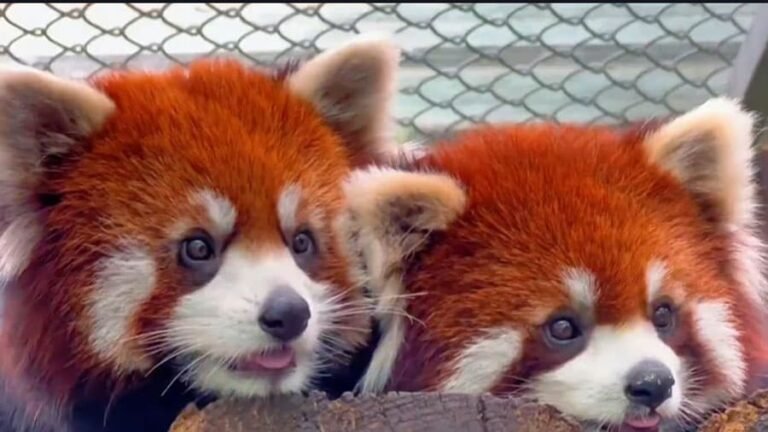
- Red pandas — reddish-brown, thick-tailed, long-tailed relatives of the “little raccoon”; don’t miss them.
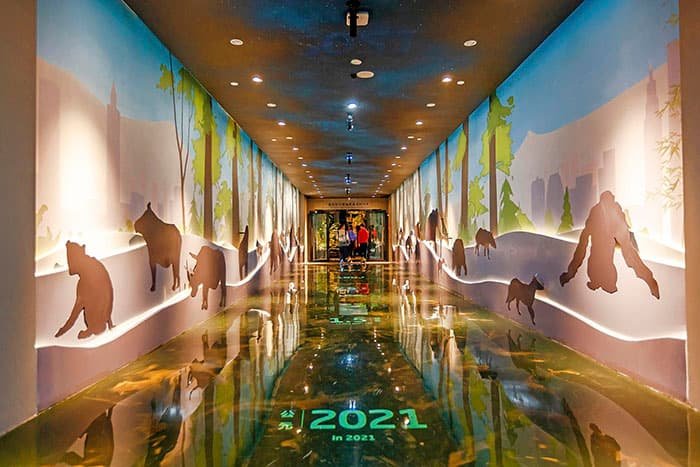
- Panda Museum — interactive exhibits where you can learn about panda evolution and conservation.
There’s one thing that might differ from what most people think:
Most tourists assume that “you can see lively pandas no matter when you go.” Actually, that’s not true.
- The real prime time is from 7:30 to 9:30 in the morning. Pandas are most active after breakfast—climbing trees, rolling around, and wrestling with each other—all of which happens in the morning.
- After 10:00 a.m., most pandas start napping. All you’ll see are a bunch of black-and-white “plush cushions.”
- If you arrive after 9:30 a.m., you likely won’t even be able to get through the gates—the park enforces visitor limits, and once the number of people inside reaches 36,000, they’ll stop letting anyone in.
- The best weather for seeing active pandas isn’t bright sunshine, but rather a cool, overcast day—or even a light drizzle. Pandas have thick fur and are very sensitive to heat. They have more energy on cool mornings.
When it comes to panda volunteer programs, it’s important to make a rational choice:
The “One-Day Keeper” volunteer experience is fantastic, but please weigh the pros and cons. Volunteer programs are typically held at other facilities around Chengdu (about a 2-hour drive away), which are more expensive and take the entire day. If you’re short on time or on a tight budget, spending half a day at the main facility in the morning is the best value—you’ll still see plenty of pandas while saving both money and time.
Panda Valley Volunteer Experience (in Dujiangyan)
Located about a 1.5-hour drive from Chengdu, Panda Valley offers a more natural setting that’s less crowded and quieter. It’s home to about 25 pandas, and the enclosures are designed to closely mimic the wild, primarily for re-wilding and release training. If you prefer to avoid crowds, this is an excellent alternative.
Volunteer Programs (Exclusive for Enthusiasts)
For visitors who want to do more than just “watch,” you can sign up for volunteer programs at several bases around Chengdu:
- Dujiangyan Panda Base — Volunteer programs are currently suspended due to renovations but will reopen in the future.
- Wolong Shenshuping Base — About a 2-hour drive from Chengdu.
- Ya’an Bifengxia Base.
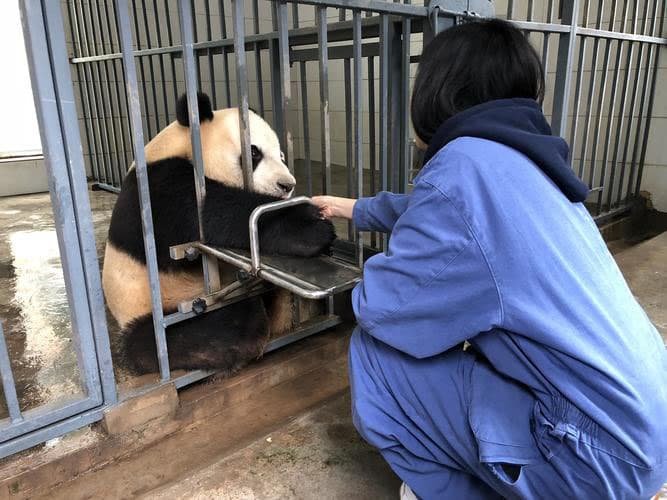
On the day of the volunteer activity, you’ll:
- Put on a keeper’s uniform.
- Clean the panda enclosures.
- Prepare bamboo and other food.
- Hand-make panda “wowo tou” (a type of nutritious cake).
- After the activity, you’ll receive an official volunteer certificate.
Age restrictions vary; some programs accept children ages 6 and up. The fee typically includes a mandatory donation to the Panda Foundation.
Frequently Asked Questions (The 5 Questions Foreign Tourists Care About Most)
Q: When is the best time of year to visit Chengdu to see pandas?
A: Fall and early spring are best. The weather is cool, and the pandas are active. Summers are too hot and crowded. If you don’t mind the cold, you can also choose to visit in winter—Tongtian Park is less crowded, and the pandas are more alert in cold weather.
Q: How early should I arrive at the panda reserve?
A: We recommend arriving before 7:15 a.m. to line up; the reserve opens at 7:30 a.m. The first two hours after opening (7:30–9:30 a.m.) are the “golden two hours.” After that, the pandas start napping, and the crowds become overwhelming.
Q: Can I hold a panda cub?
A: Absolutely not. None of the panda centers in China allow visitors to hold cubs. Cubs are too fragile and require professional care. Any program claiming to let you hold a panda is a scam. However, you can get a close-up view of the cubs through the glass in the maternity ward.
Q: Is the Panda Base a good place to take kids?
A: It’s perfect. Kids absolutely love pandas. Most areas of the park are accessible with strollers. The minimum age for volunteer programs is generally 6–8 years old, depending on the specific center’s regulations.
Q: How do I get to the panda center from downtown Chengdu?
A: By taxi or ride-hailing service—about 30 minutes, costing between 30 and 70 yuan. By subway—take Line 3 to the “Panda Avenue” station, then transfer to the shuttle bus to the park.
Customize Your Chengdu Panda Tour—Panda Chengdu Tours Is the Way to Go
Seeing pandas isn’t complicated in itself, but to “see them well and get your money’s worth,” you need professional planning. Tickets sell out in seconds, morning entry slots are extremely competitive, and the best viewing windows are fleeting. If you want to sign up as a volunteer, you’ll need to book well in advance.
That’s where Panda Chengdu Tours can be a huge help.
Panda Chengdu Tours is a local travel service provider specializing in inbound tourism to Chengdu and Sichuan. We know all the major panda reserves inside and out and can take care of:
- Ticket Reservations — Ensuring you secure early-morning admission tickets so you don’t miss the golden two-hour viewing window.
- Private Transfers — Drivers familiar with the fastest routes, saving you time and hassle.
- Chinese/English-speaking guides — Professional guides well-versed in panda behavior and conservation.
- Volunteer experience arrangements — Securing valuable keeper spots for you at open centers.
- Customized itineraries — Whether you have half a day or a full week, we can design a route tailored to your schedule and interests.
We’re not just another “jack-of-all-trades” travel agency—we’re panda experts. We maintain direct contact with all major panda centers and are familiar with the latest regulations, daily updates, and insider tips—the details that often make the difference between a “run-of-the-mill visit” and an “unforgettable experience.”
Ready to see the giant pandas? Contact Panda Chengdu Tours today to start planning your personalized trip. Whether it’s a half-day tour of the main reserve, a full-day volunteer experience, or an in-depth tour combining pandas with other highlights of Sichuan (Dujiangyan, Leshan, Jiuzhaigou), we can make it happen.
Your panda adventure starts right here.