Chengdu Panda Base Travel Guide: How to Make the Most of Your Visit
The Chengdu Panda Base Travel Guide is a practical resource for every foreign tourist planning a trip to Chengdu.
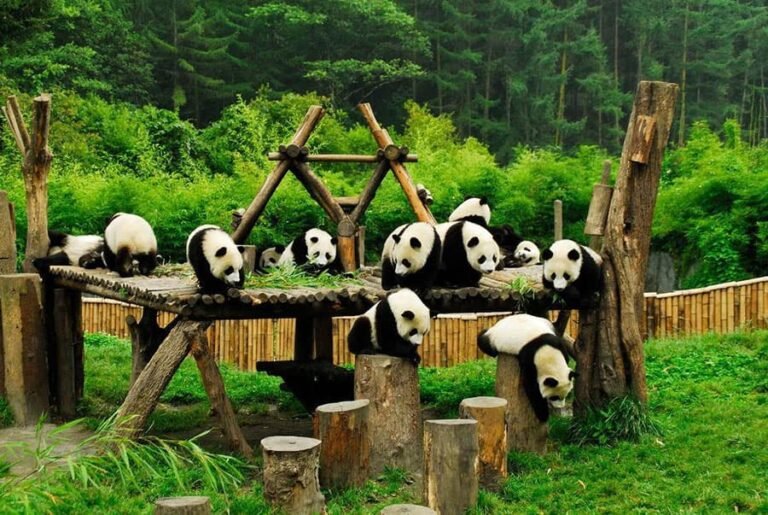
The Chengdu Research Base of Giant Panda Breeding is one of the world’s largest institutions dedicated to breeding and conserving giant pandas. According to the base’s official website, its current giant panda population is listed at more than 260, and you can watch them up close as they eat bamboo, climb trees, and roll around playing. (Population figures can change over time, so we recommend checking the official source for the latest figure before your visit.)
This Chengdu Panda Base Travel Guide covers everything from admission tickets and transportation to itineraries, highlights, and tips on avoiding pitfalls. After reading it, you’ll be able to plan the perfect panda-themed trip with ease.
I. Basic Information About the Center
Established in 1987, the Chengdu Research Base of Giant Panda Breeding is located in the northeastern part of Chengdu. Spanning approximately 100 hectares, the park features rolling hills and dense bamboo forests, simulating the giant pandas’ natural habitat.
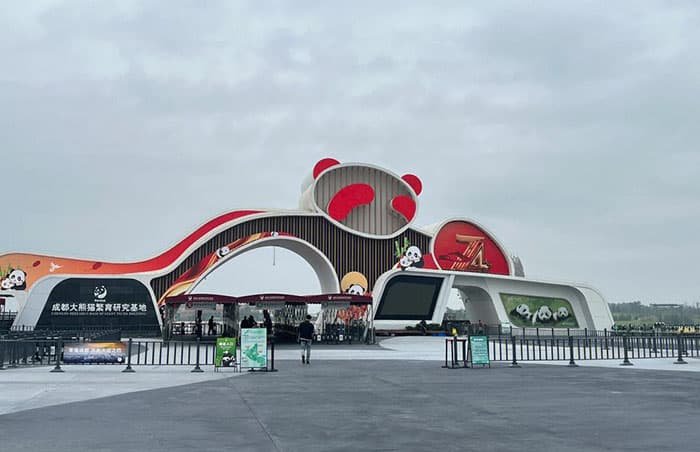
It is not only a tourist attraction but also a vital center for giant panda conservation, breeding, and scientific research. Many visitors assume that the center only features giant pandas. In fact, it is also home to a variety of other animals, such as red pandas, black-necked cranes, and peacocks, as well as the Giant Panda Science Discovery Hall.
It takes two to three hours to walk through the entire park, while a more in-depth tour can take four to five hours.
II. Admission and Reservations
Admission Prices (subject to the latest official announcements):
- Adult ticket: Approximately 55 RMB
- Student ticket: Approximately 27 RMB
- Children under 6 years old or under 1.3 meters in height: Free
- Seniors aged 65 and older: Free
Opening Hours:
- Peak Season (January 1 to November 30): 7:30 a.m. to 6:00 p.m.
- Off-Season (December): 8:00 a.m. to 5:30 p.m.
- Last ticket sale: 1 hour before park closing
Tickets must be reserved in advance through official channels, though they can also be purchased on-site by scanning a QR code. International visitors can use their passport information to purchase tickets via the official mini-program or website.
Many travel guides suggest that you must secure tickets a week in advance. This advice only applies to national holidays such as National Day and the Spring Festival. For regular weekends and weekdays, purchasing tickets one to two days in advance is sufficient—you may even be able to buy them on-site the same day.
III. Transportation Guide
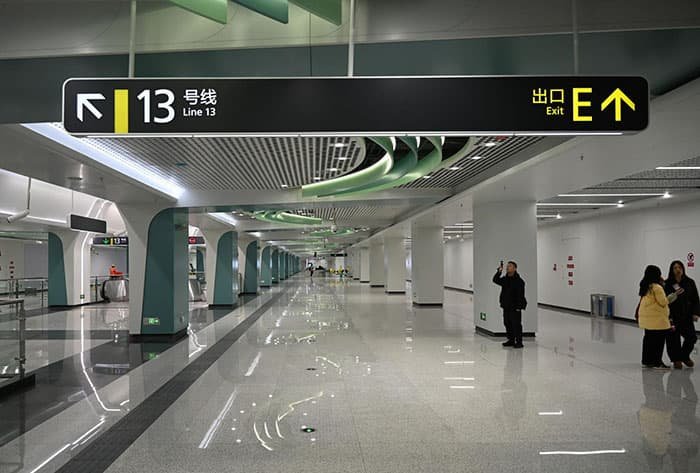
Subway (Recommended)
Take Subway Line 3 and get off at Panda Avenue Station. Exit through Exit A. After exiting the station, transfer to the scenic area shuttle bus or a public bus; it takes about 10 minutes to reach the main gate of the reserve. The entire subway trip from the city center takes about 40 minutes and costs approximately 5 RMB.
Bus
Take bus routes 198, 198A, 87, 136, or others, and get off at the Panda Base stop. The fare is about 2 RMB, but the trip takes longer and is prone to traffic jams.
Taxi or Ride-Hailing Service
Taking a taxi from downtown areas such as Chunxi Road or Taikoo Li takes about 30 to 40 minutes. The fare is about 40 to 60 RMB, making it a good option for groups of three or four people—it works out cheaper than the subway when split among passengers. Many tourists assume that a taxi is always faster than the subway. In reality, during the morning rush hour between 7:00 and 9:00, the road to the base is often congested, and a taxi ride may actually take 20 minutes longer than the subway. If you’re rushing to catch the early panda viewing session, the subway is actually the more reliable option.
Panda Chengdu Tours Customized Services
If you’d rather not figure out transportation and routes on your own, feel free to contact Panda Chengdu Tours. We offer customized one-day tours to the Chengdu Panda Base, including hotel pick-up and drop-off, an English-speaking guide, and ticket reservations.
Panda Chengdu Tours can also help you plan in-depth itineraries for Chengdu and Sichuan, making your trip even more hassle-free.
IV. Best Time to Visit
Best Time of Day
From 7:30 a.m. to 10:00 a.m. is when giant pandas are most active. During this time, they eat, climb trees, and move about outdoors, making it the best time for viewing and taking photos. After 10:00 a.m., as temperatures rise, the pandas gradually return indoors to rest.
Many travel guides recommend rushing in as soon as the park opens at 7:30 a.m. However, this schedule is only suitable for visitors who have had a good night’s sleep and are staying in the northern part of the city.
If you’re staying near Chunxi Road and are tired from your trip, arriving between 8:30 and 9:30 a.m. will still allow you to see the pandas eating. This also lets you avoid the morning rush hour from 7:00 to 8:00 a.m., making for a more relaxed experience.

Best Times of Year
Spring (March to May) and fall (September to November) are the best seasons to visit. Temperatures range from 15 to 25 degrees, the pandas spend more time outdoors, and visitors are more comfortable.
Many visitors assume they won’t be able to see the pandas on cloudy days and end up making a wasted trip. In fact, cloudy days are the best weather for viewing pandas. Giant pandas are sensitive to heat, and when temperatures drop below 25 degrees, they spend significantly more time outdoors. On sunny days, most pandas return indoors to sleep around noon, so you’re actually less likely to see them then.
In summer (June to August), temperatures are high, so pandas spend most of their time in air-conditioned rooms and are rarely seen outdoors.
In winter (December to February), there are fewer visitors, and pandas are more active in the cold than they are in summer.
V. Recommended Tour Routes
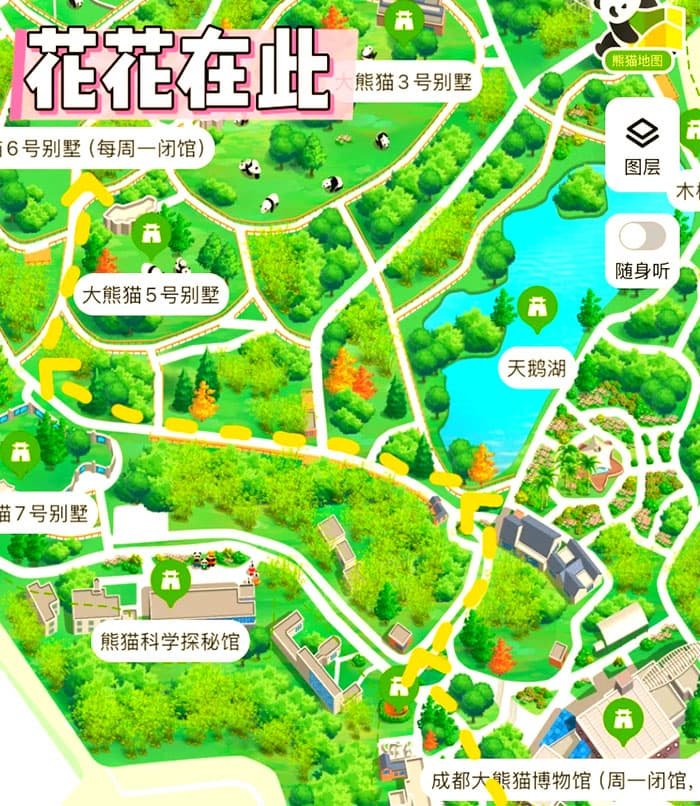
Classic Route (2 to 3 hours)
Main Gate → Giant Panda Villa Area → Juvenile Giant Panda Villa → Red Panda Activity Area → Panda Science Discovery Hall → Swan Lake → Main Gate
This route covers the most essential highlights and is ideal for visitors with limited time.
In-Depth Route (4 to 5 hours)
Main Gate → Take the sightseeing bus directly to the Moon Maternity Ward at the mountaintop → Walk down the trail to visit the various villas → Juvenile Giant Panda Villa → Red Panda Activity Area → Panda Science Discovery Hall → Swan Lake → Giant Panda Museum → Main Gate
For the in-depth route, we recommend taking the sightseeing bus up the mountain and walking down to conserve energy. The sightseeing bus costs approximately 10 RMB, and tickets are sold only at the entrance.
Many visitors feel that walking through the entire park is the only way to get your money’s worth. However, this recommendation is only suitable for visitors who are physically fit and have plenty of time. If you’re traveling with the elderly or children, or if you only have two hours, we recommend taking the sightseeing bus directly to the core juvenile panda area and then walking through the key attractions. Otherwise, you may run out of energy by the second half of the tour and miss the most exciting parts.
Dedicated Photography Route
Main Gate → Take the shuttle bus to the mountaintop → Moon Maternity Ward (soft morning light) → Walk down the trail → Juvenile Villa (shoot with side backlighting) → Swan Lake (good afternoon light)
Photography enthusiasts are advised to bring a telephoto lens of 200mm or longer, as there is a certain distance between the panda activity areas and visitors.
VI. Detailed Guide to Key Attractions
Juvenile Giant Panda Villa
This is the most popular area in the entire park. Juvenile giant pandas are lively and active; they love climbing trees, rolling around, and playfully roughhousing with each other. This is also the spot where you’re most likely to get great photos, so we recommend setting aside plenty of time here.
From 8:00 to 9:00 a.m. is when the cubs are most active; you can often see them drinking milk and learning to climb trees.
Adult Giant Panda Enclosures
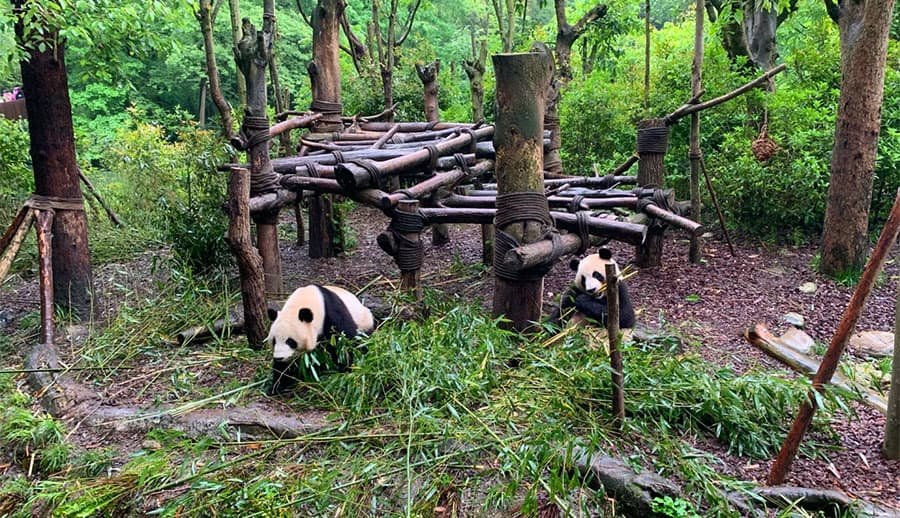
Adult giant pandas are larger in size and have a relatively calm temperament. You can watch them sitting on the ground munching on bamboo—their slow, deliberate movements are incredibly soothing. Each panda has its own name and information sign; scan the QR code to learn their stories.
Moon Nursery and Sun Nursery
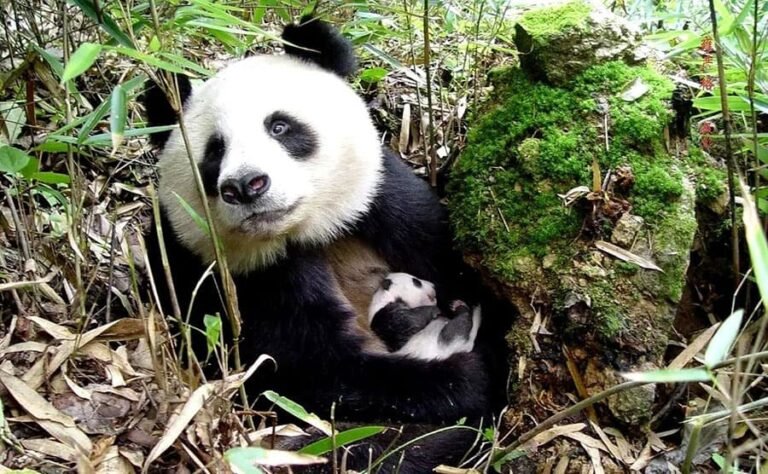
These two areas are the core zones for giant panda breeding. If you visit during the breeding season (typically August through October each year), you may see newborn panda cubs. Panda cubs are tiny and pink, looking completely different from adult pandas—a truly rare sight.
Flash photography is prohibited inside the nurseries, and visitors are asked to remain quiet during their visit.
Red Panda Enclosure
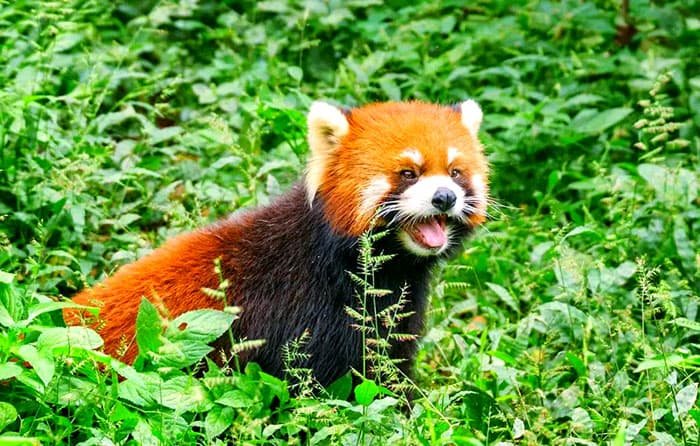
Red pandas are not the young of giant pandas, but a separate species. They have reddish-brown fur, bushy tails, and are about the size of a cat. Red pandas roam freely near the visitor trail and sometimes walk across branches right above your head.
In this area, you can observe red pandas up close, but please do not touch or feed them.
Giant Panda Science Discovery Hall
The hall showcases the giant panda’s evolutionary history, physiological characteristics, conservation status, and breeding techniques. With numerous interactive exhibits and video materials, it’s ideal for families with children. The hall is air-conditioned, making it a great place to rest and cool off during summer visits.
Swan Lake
The lake area is home to waterfowl such as black swans and mandarin ducks, creating a serene environment. The lakeside features expansive lawns and bamboo groves, making it a great spot for resting and picnicking. Many visitors overlook this area, but it actually offers a beautiful backdrop for photos.
VII. Practical Photography Tips
- Best Time to Shoot: 8:00–10:00 a.m., when the light is soft and the pandas are active
- Best Shooting Spot: The second-floor observation deck of the Juvenile Giant Panda Villa, which offers a high vantage point with an unobstructed view
- Equipment Recommendations: A smartphone is sufficient for everyday photography; for close-ups, bring a telephoto lens with a focal length of 200mm or longer
- Camera Settings: Turn off the flash and increase the shutter speed (pandas move faster than you might think)
- Composition Tips: Include environmental elements like bamboo and forests in your shots; this adds more depth to the story than simply photographing the pandas alone
- Taking Photos with Pandas: The park has designated photo areas; do not climb over the fence to take selfies
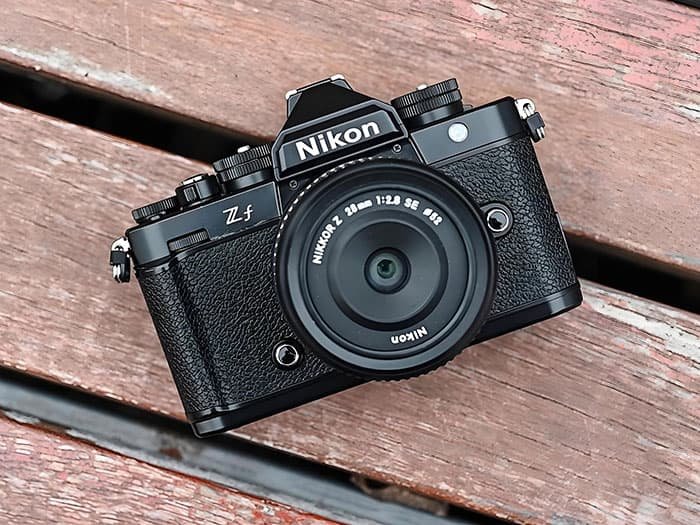
Many visitors assume that the closer they are to the fence, the better the photo will be. In fact, stepping back two to three meters and shooting with a medium focal length lens allows you to avoid the fence and crowds, resulting in a cleaner composition.
VIII. Dining and Rest Areas
There are two main restaurants in the park:
- Panda Restaurant: Located near the entrance, it serves simple Chinese meals, noodles, hamburgers, and coffee, with prices ranging from about 40 to 60 yuan per person
- Swan Lake Café: Located by Swan Lake, it offers beverages and light meals in a pleasant setting, with prices ranging from about 30 to 50 yuan per person
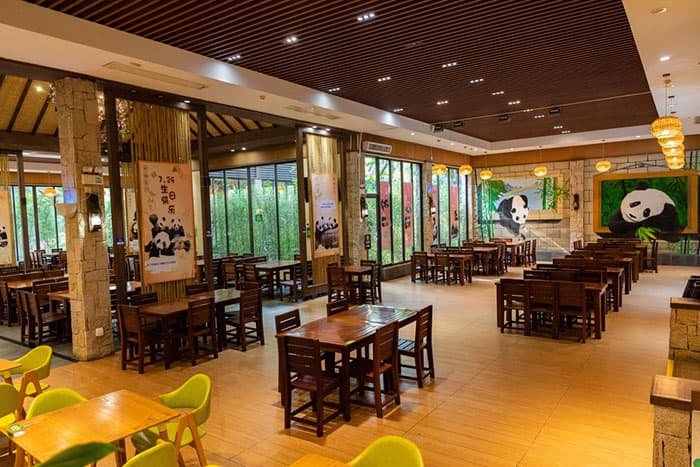
Prices at the restaurants are slightly higher than in the city center, but still within an acceptable range. You’re welcome to bring your own snacks and water—the park does not prohibit outside food. We recommend bringing a bottle of water and some energy bars to keep your energy up during your visit. There are several rest pavilions and benches scattered throughout the park between the various attractions.
When visiting in the summer, the Panda Science Discovery Hall and the Museum are air-conditioned and make great places to rest.
IX. Tips to Avoid Pitfalls
- Do not purchase the “panda guide” service at the entrance: Many unofficial guides solicit customers at the entrance; their fees are high, and their explanations are unprofessional. Book the official guided tour at the visitor center.
- Do not feed the pandas: All animals have dedicated keepers and scientifically formulated diets; feeding them by visitors can harm their health.
- Don’t buy overpriced water and snacks at the park entrance: Prices are twice as high as in the city; it’s recommended to buy them in advance at a convenience store.
- Don’t visit on weekend afternoons: Pandas are usually sleeping in the afternoon, and tour groups tend to arrive then, making it crowded and ruining the experience.
- Do not believe claims that “you can hold a panda for a photo inside the center”: The Chengdu Research Base of Giant Panda Breeding has discontinued the panda-holding photo program; any offer claiming you can hold a panda is a scam.
- Do not wear clothes with overly bright colors: While this does not directly affect the pandas, bright colors can clash with the surroundings when taking photos; solid-colored clothing makes for better photos.
Many visitors assume that all panda merchandise sold in the park is official and authentic. In reality, some stalls within the park are operated by third parties; their prices tend to be higher, and the quality varies widely.
The official souvenir shops are located at the entrance and at the exit of the Panda Science Discovery Hall. Look for the “Panda Base Official” logo.
X. Nearby Attractions
Zhaojue Temple
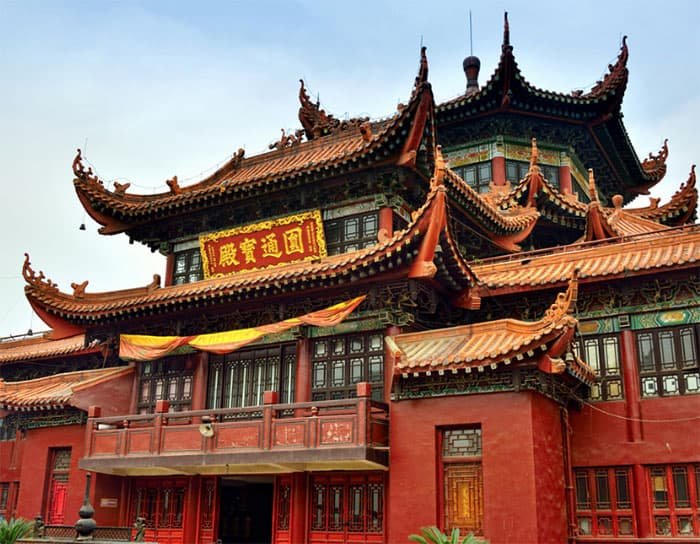
Located about 3 kilometers from the Panda Base, this is one of Chengdu’s oldest Buddhist temples. Built during the Tang Dynasty, it has a history of more than 1,300 years. The setting is serene, and there are few visitors. It takes about 10 minutes to get there by taxi from the base, and admission is free.
Beihu Park
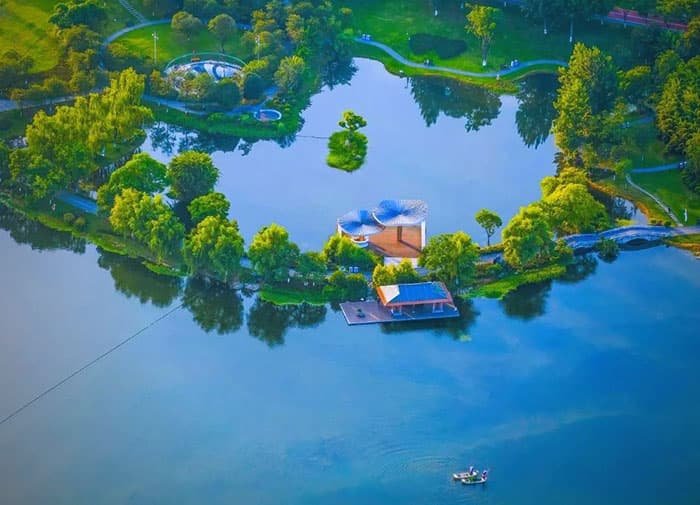
Located about 4 kilometers from the base, this is a large urban wetland park. The lake area is vast and ideal for walking, biking, and picnicking. If you’ve finished touring the Panda Base in the morning, you can come here in the afternoon to relax and unwind.
Chengdu Zoo
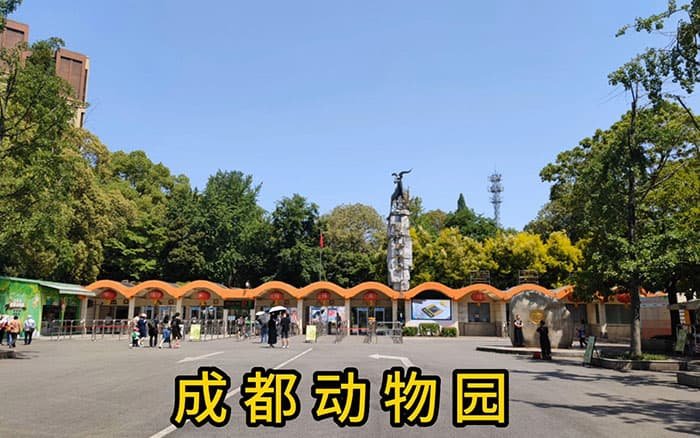
Many visitors plan to visit both the Panda Base and the Chengdu Zoo on the same day. However, the two locations are about 15 kilometers apart, and each requires two to three hours to explore, making it very rushed to cover both in a single day. We recommend scheduling them on separate days or choosing just the Panda Base (the Panda Base has far more pandas and a much better environment than the zoo).
XI. Suggested Itineraries for Chengdu
3-Day Classic Itinerary
Day 1: Chengdu Research Base of Giant Panda Breeding (morning) + Wenshu Monastery (afternoon) + Jianshe Alley snacks (dinner)
Day 2: Kuan Zhai Alley + Du Fu Thatched Cottage + Chunxi Road Taikoo Li + Hot pot dinner
Day 3: Wuhou Temple + Jinli Ancient Street + Teahouse Experience + Sichuan Opera Face-Changing Performance
5-Day In-Depth Itinerary
Add the following to the first 3 days:
Day 4: Dujiangyan Day Trip (round-trip by high-speed rail; Dujiangyan in the morning, Qingcheng Mountain’s Front Peak in the afternoon)
Day 5: In-Depth Chengdu City Experience (food markets, neighborhood teahouses, local restaurants) or a Day Trip to Xiling Snow Mountain (in winter)
If you find planning your own itinerary too much of a hassle, feel free to contact Panda Chengdu Tours.
We specialize in travel in Chengdu and Sichuan and can customize a unique itinerary based on your schedule and interests, with English-speaking guide services available.
Panda Chengdu Tours’ local expertise will help you avoid tourist traps and experience the most authentic side of Chengdu.
XII. Practical Travel Tips
- Public Transportation: The Chengdu Metro covers most popular attractions, with one-way fares ranging from about 2 to 7 yuan. Ride-hailing services are affordable, with short trips costing about 15 to 30 yuan.
- Accommodation Recommendations: We recommend staying near Chunxi Road, Kuan Zhai Alley, or Tianfu Square for easy access to transportation and dining. If you’re on a tight budget, choose accommodations along the subway lines for lower prices.
- Best Time to Visit: The weather is comfortable from March to May and September to November, making these months ideal for outdoor sightseeing. Crowds surge during the National Day and Spring Festival holidays, so visiting during these times is not recommended.
- Payment Methods: Large shopping malls and chain restaurants accept international credit cards. Street-side shops and food stalls primarily use mobile payment methods; we recommend enabling the international payment feature on Alipay or WeChat Pay in advance.
- Language: Popular tourist attractions have English signage, and younger staff at restaurants and hotels generally speak basic English. Downloading a translation app will make your trip more convenient.
- Internet: We recommend purchasing a Chinese SIM card or activating international roaming in advance; you can also rent a portable Wi-Fi device.
XIII. FAQ: Frequently Asked Questions
Q: How far in advance should I book tickets for the Chengdu Panda Base?
A: For regular weekdays and weekends, booking 1 to 2 days in advance is sufficient; for national holidays, we recommend booking 3 to 5 days in advance. You can purchase tickets using your passport information on the official WeChat public account or website.
Q: How long does it take to tour the Panda Base?
A: The Classic Route takes 2 to 3 hours, while the In-Depth Route takes 4 to 5 hours. If you’re visiting with children or elderly family members, we recommend setting aside half a day to avoid rushing.
Q: When can I see the most pandas?
A: Pandas are most active between 7:30 a.m. and 10:00 a.m. On cloudy days or when the temperature is below 25 degrees, pandas spend more time outdoors.
Q: Is the Panda Base open on rainy days?
A: It remains open as usual. Pandas are actually more active in light rain, but they’ll return indoors during heavy rain. We recommend bringing rain gear, as some sections of the park are not covered.
Q: Can I hold a panda or take a photo with one?
A: The Chengdu Research Base of Giant Panda Breeding has discontinued the panda-holding and photo-op program. There are designated photo spots within the park where you can take pictures with panda sculptures.
Q: Is the Panda Base a good place to take children?
A: It’s very suitable. The park features dedicated family-friendly trails and educational exhibits where children can observe giant pandas up close and learn about conservation. Please keep a close eye on your children and do not let them tap on the glass or climb over the fences.
Q: How do I get to the Panda Base from the airport?
A: It takes about 50 minutes by taxi from Shuangliu Airport, and the fare is approximately 80 to 100 yuan. From Tianfu Airport, it takes about 1 hour and 20 minutes by taxi, and the fare is approximately 150 to 200 yuan. You can also take the subway to Panda Avenue Station and transfer there.
Q: Besides the Panda Base, what other must-see places are there in Chengdu?
A: Kuan Zhai Alley, Jinli, Wuhou Temple, and Du Fu’s Thatched Cottage are all must-see attractions in the city. If you have enough time, a day trip to Dujiangyan and Mount Qingcheng is also well worth it. You can contact Panda Chengdu Tours for more detailed itinerary suggestions.
Q: What should I do if Chengdu hot pot is too spicy?
A: You can order a “yuan yang” pot, which is half spicy broth and half clear broth. The mildly spicy broth is usually enough for most people. The sesame oil dish on the table can help reduce the spiciness and protect your stomach.
Q: How many days should I plan for a trip to Chengdu?
A: Three days are enough to see the highlights of the city. If you include nearby attractions like Dujiangyan and Mount Qingcheng, we recommend setting aside 5 to 7 days. Chengdu has a very relaxed pace, so we don’t recommend packing your itinerary too tightly.
XIV. Conclusion
This Chengdu Panda Base Travel Guide includes a comprehensive guide to visiting the park. From admission tickets and transportation to sightseeing routes, and from photography tips to advice on avoiding pitfalls, you now have all the practical information you need.
Chengdu offers more than just giant pandas—it also boasts delicious cuisine, laid-back teahouses, and a history and culture stretching back thousands of years. With its uniquely relaxed pace, this city ensures every visitor feels at ease and delighted.
If you’re planning a trip to Chengdu, we hope this travel guide proves helpful.
For a hassle-free travel experience, feel free to contact Panda Chengdu Tours—our professional local team will tailor a custom itinerary just for you.
Chengdu is waiting for you—and so are the giant pandas.